Column · @cashouum111
The Pros and Cons of Ceramic Dental Crowns

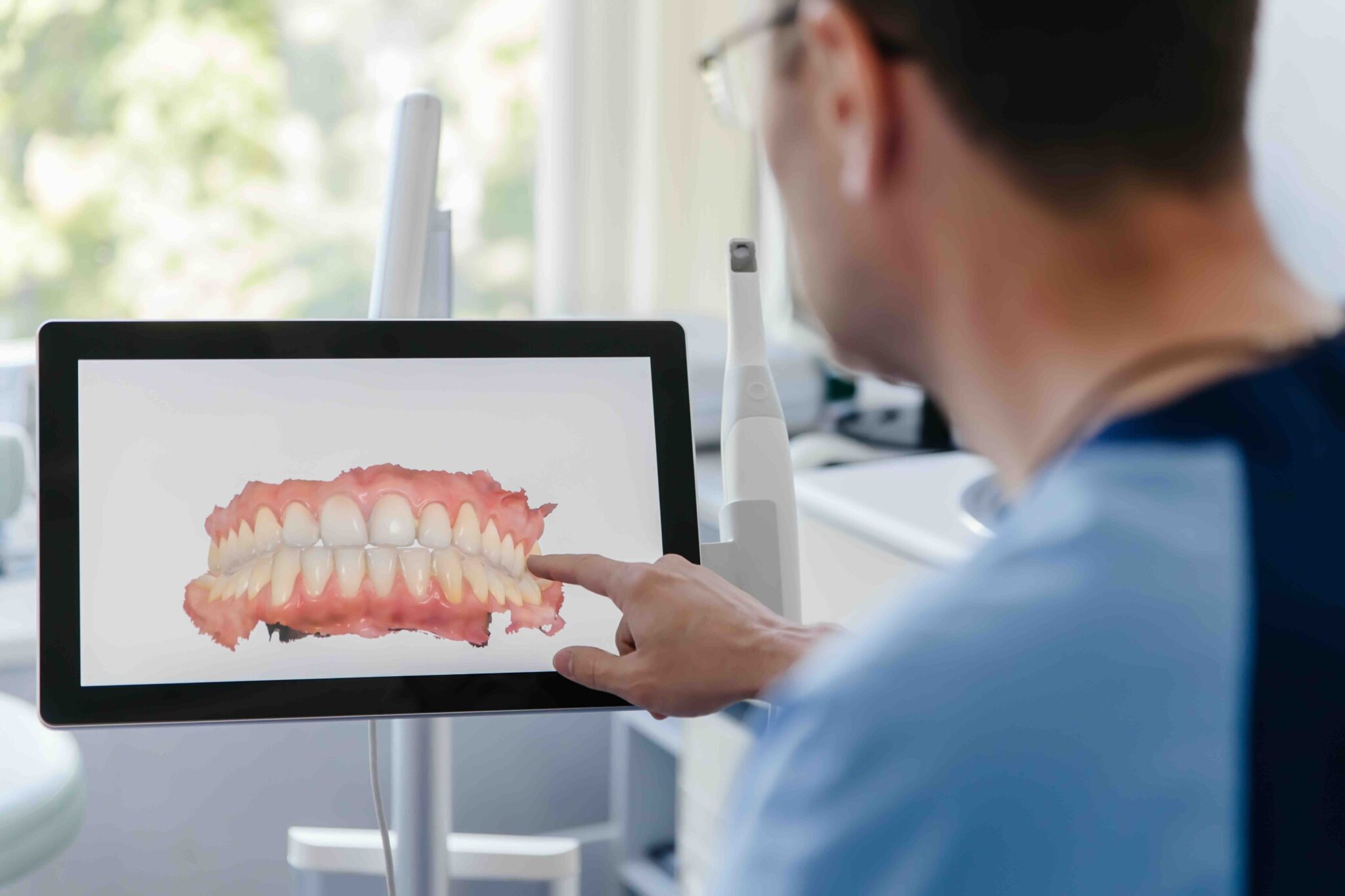
A ceramic crown sits at an interesting intersection of dentistry and design. It has a mechanical job to do, which is to protect a weakened tooth and restore biting function, but it also has to disappear into the smile. That dual role is why ceramic crowns remain a common choice for both dentists and patients, especially when appearance matters as much as durability.
Not all Dental Crowns are alike, and that point is easy to miss when treatment plans are discussed quickly. A crown may be made from full metal, porcelain fused to metal, zirconia, or other all ceramic materials. Each option solves a slightly different problem. Ceramic crowns, in particular, appeal to patients who want a metal free restoration and a natural look. The trade-offs start to matter once the conversation moves beyond color and into chewing forces, habits such as grinding, the location of the tooth, and the amount of healthy structure still left.
For patients, the choice often feels simple at first. If ceramic looks the most like a real tooth, why not use it every time? In practice, the answer depends on where the crown will sit, what the bite is like, and what kind of ceramic is being considered. A front tooth with a visible smile line asks for something different than a heavily loaded molar in a patient who clenches at night. Good dentistry is rarely about the most attractive material in isolation. It is about the best fit for the tooth in front of you.
What a ceramic crown actually is
A ceramic crown is a full coverage restoration made from a tooth colored ceramic material. It is cemented over a prepared tooth to restore its shape, strength, and appearance. Depending on the case, the crown may be made from layered porcelain, lithium disilicate, zirconia, or another all ceramic system. Patients often use the word porcelain as a catchall term, but dentists usually separate these materials because their strength, translucency, and handling are not identical.
That distinction matters. Some ceramics are prized for lifelike translucency and are especially well suited to front teeth. Others are stronger and more opaque, which can be helpful for back teeth or for masking discoloration. Even within the broad category of ceramic crowns, there is no single product that fits every clinical situation.
From the patient’s perspective, the process looks familiar regardless of the material. The tooth is shaped, impressions or digital scans are taken, a temporary crown is often placed, and the final crown is bonded or cemented at a later appointment. In some practices, same day systems can design and mill certain ceramic crowns in one visit. That convenience can be appealing, though not every case is ideal for same day fabrication.
Why ceramic became so popular
The popularity of ceramic crowns is not hard to understand once you have seen the difference in the mirror. A well made ceramic crown can mimic natural enamel remarkably well. It reflects light in a softer, more lifelike way than many older materials. At the gumline, there is no dark metal edge to worry about. For a patient replacing an old porcelain fused to metal crown on an upper front tooth, that alone can feel like a major upgrade.
There is also a broader shift in patient expectations. People are more attentive Dental Crowns to dental esthetics than they were a generation ago. High resolution phone cameras, video calls, and cosmetic awareness have changed what patients notice. Small mismatches in color or contour that might once have gone unremarked are now discussed in detail. Ceramic materials evolved alongside that expectation.
Still, popularity should not be confused with universality. Ceramic is a strong contender, not an automatic winner.
Where ceramic crowns shine
The strongest case for ceramic crowns begins with esthetics. On visible teeth, especially upper front teeth, a good ceramic crown can blend beautifully with adjacent natural teeth. This is not just about shade. Natural teeth are not one flat color. They have variation in translucency, brightness, and surface texture. High quality ceramics allow a skilled lab technician or dentist to reproduce some of that complexity.
Functionally, ceramic crowns can also perform very well. Modern materials are not as fragile as many people assume. Some can handle substantial bite forces when used appropriately and when the tooth preparation, crown thickness, and bonding protocol are correct. A ceramic crown on a premolar or molar may last many years without trouble in a patient with a stable bite and no severe grinding habit.
Ceramic can also be an attractive option for patients who prefer metal free dentistry. For some, that preference is aesthetic. For others, it is personal or medical, as in cases involving metal sensitivities. True allergic reactions to dental metals are not common, but they do occur. In those cases, all ceramic options may help simplify treatment planning.
Another often overlooked advantage is gum response. Well contoured ceramic crowns with polished surfaces tend to be kind to the surrounding tissue when they fit properly and the patient keeps them clean. Gum irritation is more often related to margin placement, contour, cement residue, or hygiene issues than to the ceramic itself. Still, from a soft tissue standpoint, all ceramic restorations can perform very well.
The downsides are real, and they deserve plain language
The most common misunderstanding about ceramic crowns is that natural appearance comes without compromise. It does not. Ceramic can chip, crack, or fail under the wrong conditions. The risk depends heavily on the type of ceramic used and where it is placed.
A patient who grinds heavily at night may break a more delicate ceramic crown, especially on a back tooth. A person with a deep bite or uneven chewing pattern may place concentrated stress on a restoration that looks perfect on delivery but struggles over time. I have seen cases where the crown itself was beautifully made, yet the long term outlook was limited because the bite was unstable and the patient did not wear a night guard.
Ceramic crowns also require careful tooth preparation. Enough space has to be created for the material to have adequate thickness and strength. If a dentist tries to conserve too much tooth structure in a case that demands more reduction, the crown may end up too thin in critical areas. If too much tooth is removed, the tooth can become more vulnerable biologically. This balancing act is one reason the material decision should not be separated from the preparation design.
Cost is another downside for many patients. Ceramic crowns are often priced at the higher end of the range, especially when custom esthetics, premium lab work, or advanced bonding protocols are involved. Fees vary widely by region and practice type, but in many areas the difference between crown materials is meaningful. A patient replacing several teeth may have to weigh ideal esthetics against a very real budget.
There is also the issue of repairability. A minor chip in a ceramic crown can sometimes be polished or patched with composite, but the results are variable and not always durable. A more significant fracture often means full replacement. That can be frustrating when the crown still looks good otherwise.
Front teeth and back teeth are different stories
This is where material decisions become more practical and less theoretical. On front teeth, ceramic crowns are often the first choice because appearance carries so much weight. A central incisor does not just need to survive biting. It needs to match neighboring teeth in shade, translucency, shape, and surface character. A slightly opaque or flat looking crown can draw attention in a way that a small functional imperfection on a molar never would.
Back teeth live a harder life. Molars take the bulk of chewing force. They are also less visible, which shifts the balance between beauty and brute strength. In these cases, some types of ceramic still perform very well, particularly stronger options such as monolithic zirconia, but the exact choice depends on the patient’s bite, parafunctional habits, and esthetic priorities.
A patient who tells the dentist, “I want the most natural looking crown possible,” may get a different answer for an upper lateral incisor than for a lower first molar. That is not inconsistency. It is appropriate tailoring of the treatment plan.
The type of ceramic matters more than many patients realize
When patients hear “ceramic crown,” they often imagine one standard material. In reality, there are meaningful differences.
- Layered porcelain tends to offer excellent esthetics, especially for front teeth, but can be more prone to chipping in high stress situations.
- Lithium disilicate balances beauty and strength well, which is why it is commonly chosen for visible teeth and some premolars.
- Monolithic zirconia is generally stronger and often favored for back teeth or patients with heavier bites, though its appearance may be less lifelike than the most translucent ceramics.
- High translucency zirconia improves esthetics compared with earlier versions, but the right case selection still matters.
This is one of those areas where online advice can mislead patients. Someone may read that zirconia is “the best” because it is strong, while another source praises porcelain because it looks more natural. Both statements can be true within limits. The smarter question is not which ceramic is best overall, but which ceramic is best for this tooth in this mouth.
Longevity depends on more than the crown itself
Patients often ask how long ceramic crowns last, and the honest answer is that there is no fixed number. Many last well over a decade. Some fail much sooner. The range is wide because crown longevity depends on several moving parts at once.
The quality of the crown matters, of course, but so do the margins, the bonding or cementation, the amount of remaining tooth structure, the health of the root, the stability of the bite, and the patient’s home care. A crown is not a force field. If decay develops at the margin because plaque is collecting and flossing is inconsistent, the crown may need replacement even if the ceramic itself is intact. If the underlying tooth cracks, the restoration may be lost despite excellent materials and technique.
I have seen ceramic crowns that looked nearly new after many years because the patient had a stable bite, low decay risk, and disciplined oral hygiene. I have also seen younger crowns fail in mouths with heavy clenching, untreated gum disease, or repeated large restorations on compromised teeth. Material choice matters, but it is only one chapter of the story.
The bite can make or break the outcome
This point deserves more attention than it usually gets in patient education. A crown that fits beautifully at rest can still fail if the tooth is taking unhealthy force during function. Small high spots, edge to edge contact on front teeth, or lateral grinding patterns can all overload ceramic.
Dentists check the bite when seating a crown, but a static bite check with articulating paper is only part of the picture. Real chewing and parafunction are dynamic. A patient who clenches during stress or grinds during sleep may generate forces far above normal chewing levels. Those forces can break ceramic, loosen cement, fracture the tooth underneath, or wear the opposing dentition.
That is why night guards are not just an upsell in the right patient. For someone with a history of fractured enamel, worn edges, jaw soreness, or previous broken restorations, a protective appliance can significantly improve the odds that a ceramic crown lasts.
Appearance can be excellent, but matching is an art
A ceramic crown can look stunning, but excellent matching is not automatic. It depends on the dentist’s shade selection, the quality of the lab or in house characterization, the lighting conditions, and the neighboring teeth. Natural teeth often have tiny asymmetries, faint craze lines, warmer areas near the gumline, and cooler translucency at the edge. Reproducing those details takes judgment.
This becomes especially difficult when only one front tooth needs a crown. Matching a single central incisor can be among the toughest tasks in restorative dentistry because the comparison is direct and immediate. In those cases, a very strong but slightly more opaque material may not be the best esthetic choice. A more translucent ceramic with customized layering may produce a better visual result, even if it requires more care in planning and protection.
On the other hand, when several front teeth are being restored together, the dentist and lab have more control over the final harmony of the smile. Material options can broaden because the restorations are being designed as a set rather than as a single mimic of a neighboring natural tooth.
When ceramic may not be the best first option
Ceramic crowns are versatile, but there are times when caution is wise. A patient with severe bruxism, a history of repeated crown fractures, and a very short clinical crown may not be an ideal candidate for a more delicate all ceramic restoration on a back tooth. In such cases, stronger materials or a different restorative approach may provide a more predictable outcome.
There are also situations where the tooth itself is the limiting factor. If a tooth has very little remaining structure, deep decay near the gumline, a crack extending below the bone, or uncertain root support, the crown material becomes less important than the basic prognosis. Patients sometimes focus on whether to choose ceramic or another crown type when the larger question is whether the tooth is restorable at all.
Another practical limitation involves masking dark underlying tooth structure or metal posts. Some highly translucent ceramics can struggle to hide discoloration. A crown may look gray or shadowed if the substrate is dark and the wrong material is chosen. In those cases, a more opaque ceramic or a different restoration design may be necessary.
Questions worth asking before choosing a ceramic crown
A quick material recommendation is not enough. Patients tend to make better decisions when they understand why a certain crown is being suggested for a particular tooth. A useful discussion usually covers the following points:
- Is this tooth in a high pressure area, or a highly visible one, or both?
- Do I grind or clench, and if so, how does that affect the material choice?
- What kind of ceramic are you recommending, and why this one rather than another?
- Will the crown be bonded or cemented, and does that affect strength or longevity?
- If the crown chips or wears, what are the realistic repair options?
Those questions are not confrontational. They simply move the conversation from sales language to clinical reasoning.
The day to day experience after placement
Most patients adapt quickly to a ceramic crown. Once the bite feels right and the gum settles, it should not draw attention to itself. A well made crown should feel smooth, stable, and integrated with the surrounding teeth. Cold sensitivity sometimes occurs briefly after preparation and placement, though persistent symptoms deserve follow up.
Maintenance is straightforward but not optional. Crowns do not decay, but teeth do. The margin where the crown meets the tooth remains vulnerable to plaque accumulation and recurrent decay. Flossing, brushing along the gumline, and routine dental visits matter just as much after crown placement as before. Patients are sometimes surprised by that. A crown can restore a damaged tooth, but it does not make the tooth maintenance free.
Patients who receive ceramic crowns on front teeth often report a psychological shift as well. They smile more freely when a discolored or broken tooth has been restored convincingly. That benefit is difficult to quantify, but it is real. Restorative dentistry is Dental Crowns simpledentalca.com not vanity when it allows someone to speak, laugh, and eat without self consciousness.
Weighing the pros and cons honestly
Ceramic crowns offer some of the best esthetic results available in modern dentistry. They can look highly natural, support good gum health, and perform very well when material selection and case planning are sound. For visible teeth, they are often the benchmark against which other Dental Crowns are judged.
Their limitations are just as important. They can fracture under unfavorable forces, may cost more, and require careful planning to balance appearance with strength. Not every tooth, and not every patient, is an equally good candidate for every ceramic system. The best outcomes usually come from matching the material to the tooth’s role, the patient’s habits, and the long term condition of the mouth.
For a front tooth in a patient with healthy gums and a stable bite, a ceramic crown may be the obvious choice. For a heavily loaded molar in a patient who grinds through restorations, the decision deserves more scrutiny. That contrast captures the whole issue. Ceramic crowns are neither overrated nor universally ideal. They are excellent when used thoughtfully, ordinary when used routinely, and disappointing when chosen for the wrong reasons.
The most dependable treatment plans come from a dentist who explains not just what can be done, but why one approach is more sensible than another. When that conversation happens, ceramic crowns stop being a cosmetic buzzword and become what they should be, which is one carefully chosen tool among several good restorative options.
Simple Dental Vermont
Address: 8914 S Vermont Ave, Los Angeles, CA 90044
Phone number: +13239493000
FAQ About Dental Crowns
How much do crowns cost per tooth?
In the United States, a single dental crown typically costs between $800 and $2,500 per tooth without insurance. The ultimate out-of-pocket price depends heavily on the crown material, the location of the tooth, and whether you have dental insurance coverage.
What is the downside of crowns on teeth?
The primary downside of a dental crown is that the procedure permanently removes natural tooth enamel to shape the tooth for the cap.
Why do dentists push for crowns?
Dentists recommend crowns because a large filling cannot provide enough strength when a tooth loses a major portion of its structure or faces heavy chewing pressure.