Column · @cashouum111
Temporary Dental Crowns: Purpose, Care, and Duration
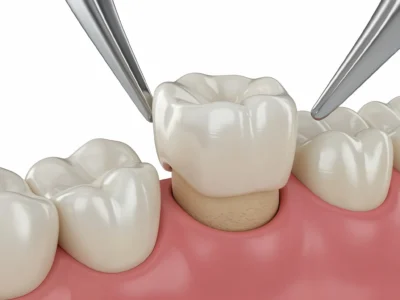

A temporary crown often looks small and insignificant, but it does an important job in a narrow stretch of time. It stands in for a permanent crown while the final restoration is being made, and that short-term role matters more than many patients expect. When a temporary crown comes loose on a Friday evening, or starts to feel high when biting, people quickly realize it is not just a placeholder. It protects the prepared tooth, helps keep neighboring teeth from shifting, and lets you function without exposing a vulnerable area every time you eat or drink.
For patients getting dental crowns for the first time, the temporary phase can feel confusing. The permanent crown gets most of the attention, yet the days or weeks between appointments are where comfort, protection, and healing all have to be managed carefully. A good temporary crown should let you get through daily life with only minor adjustments. It is not meant to perform exactly like the final crown, but it should keep the tooth safe and reasonably comfortable until the final seat.
What a temporary crown actually does
Once a tooth is shaped for a crown, a noticeable amount of enamel has usually been removed. That tooth is no longer in its original state. It may be more sensitive to temperature, pressure, and air. Without coverage, it can be uncomfortable and at greater risk of irritation. A temporary crown acts like a protective shell over that prepared tooth.
Its purpose is partly mechanical and partly biological. Mechanically, it covers the reshaped tooth so you can chew with less irritation and so the tooth does not snag the cheek or tongue with rough edges. Biologically, it helps shield dentin and reduces exposure that can trigger sensitivity. It also supports the gum tissue by maintaining the general contour around the tooth.
There is another reason temporary crowns matter, and it often gets overlooked. Teeth move. Not dramatically overnight, but enough that a gap left open for too long can create trouble. Adjacent teeth can drift, the opposing tooth can begin to over-erupt slightly, and the final crown may no longer fit as smoothly as planned. A temporary crown helps preserve the space and shape the dentist created for the permanent one.
In the front of the mouth, the temporary crown also carries an aesthetic role. Even when it is not perfect, it helps patients speak, smile, and meet people without feeling self-conscious. In that sense, it protects more than a tooth. It also protects confidence during the waiting period.
Why you might need one
Temporary crowns are most commonly used when a permanent crown is being fabricated in a dental lab. The dentist prepares the tooth, takes impressions or digital scans, and places a temporary crown before you leave. The final crown is then fitted at a later appointment.
This is still a common approach, even in practices that use digital technology. Same-day crowns exist, but not every case is ideal for them, and not every office uses that workflow. Some teeth need more customization, some cases involve bite changes, and some patients benefit from a lab-made restoration that allows for finer shaping or layering.
Temporary crowns also show up in a few other situations. Sometimes they are used after root canal treatment, especially when a tooth needs time before the permanent restoration is placed. In larger cosmetic cases, a temporary can serve as a test drive, letting the dentist and patient assess shape, speech, bite, and appearance before the final version is made. In those cases, the temporary does not just cover the tooth. It provides useful information.
How temporary crowns are made
Most temporary crowns are made from acrylic or composite-based materials. Some are prefabricated shells that the dentist trims and relines to fit the prepared tooth. Others are custom-formed directly in the mouth using an impression of the original tooth shape, or a mold created before the tooth was prepared.
The process is usually quick, but there is skill behind it. A well-made temporary crown should fit closely enough to protect the tooth, contact the neighboring teeth well enough to reduce food trapping, and sit in the bite without taking too much force. That balancing act is not always easy, especially if the tooth had heavy wear, unusual rotation, or a complicated gumline.
Temporary crowns are typically cemented with a provisional cement, which is designed to hold the crown in place while still allowing it to be removed later. That cement is intentionally weaker than the final luting material used for permanent crowns. This is why temporary crowns can come off more easily, particularly if the tooth is short, the bite is heavy, or the patient chews sticky foods.
How they differ from permanent crowns
A temporary crown and a permanent crown may look similar at a glance, but they are built for different jobs. A permanent crown is made to last for years. It is designed for precise margins, durable function, and long-term compatibility with the bite and the surrounding gum tissue. A temporary crown is designed to bridge a short interval.
That difference shows up in several ways. The fit of a temporary crown is usually less exact than the permanent version. The material is weaker and more porous. The polish is often less refined, which means it can stain more easily or feel slightly rougher. The color match may be approximate rather than exact, especially in back teeth where appearance is less critical.
Patients sometimes worry if the temporary does not feel exactly like a natural tooth. That concern is understandable, but the standard should be reasonable comfort and protection, not perfection. A temporary crown should not cause significant pain, and it should not interfere heavily with chewing or speech. At the same time, it is normal for it to feel somewhat different from both your original tooth and the final crown that comes later.
How long a temporary crown usually stays on
In many cases, a temporary crown stays in place for about one to three weeks. That is a common range when a lab is making the permanent crown and the schedule between appointments is straightforward. Sometimes the interval is shorter. Sometimes it stretches longer due to lab timing, insurance approvals, travel, or the need to remake the final crown after a shade or fit issue.
A temporary crown can often survive beyond a few weeks, but that does not mean it should become a long-term plan. The materials wear faster, the margins are more prone to leakage, and the cement can break down over time. The longer a temporary crown stays in service, the more likely problems become. Those problems include recurrent sensitivity, gum irritation, decay at the margins, bite changes, fracture of the temporary, or movement of the tooth if the crown loosens.
There are exceptions. In some full-mouth rehabilitation or implant cases, long-term provisionals may be used for months while the bite, appearance, or tissue contours are evaluated. Those are not the typical temporary crowns placed after a routine single-tooth preparation. They are more deliberately engineered provisional restorations, often made from stronger materials and monitored closely.
For the average patient receiving one crown on a natural tooth, the message is simple. A temporary crown is meant for a temporary period. If it has been several weeks and no final appointment is scheduled, it is worth checking in.
What it should feel like, and what should raise concern
A temporary crown may feel slightly bulky for the first day or two, especially if your tongue keeps finding it. Mild sensitivity to cold or pressure is also fairly common at first. If the gum is a little sore after the procedure, that usually settles quickly.
What should not happen is worsening pain, sharp pain when biting, or a bite that feels so high that you are avoiding that side of the mouth. Those signs may mean the temporary crown needs adjustment. Even a very small high spot can make a tooth feel surprisingly sore. Patients often describe it as the tooth hitting first or taking all the pressure when they close.
Another common issue is floss catching or shredding around the temporary crown. Sometimes that is just the nature of the material. Other times it means the margin is rough or the contact is open enough to trap food. Food packing near a temporary can irritate the gum quickly, and if left alone for days, the area can become tender enough to make the final appointment less comfortable.
If the crown feels loose, do not ignore it and hope it settles back down. Temporary crowns rarely re-seat themselves properly once they start lifting. A loose crown can let bacteria, saliva, and debris reach the prepared tooth. It can also distort your bite because the crown may shift when you chew.
Eating with a temporary crown
Diet is where many temporary crowns fail. The crown may seem secure until it meets caramel, chewing gum, crusty bread, or a handful of nuts. Sticky foods can pull a temporary crown straight off. Hard foods can crack it or torque it sideways. Very chewy foods can place repeated stress on the provisional cement.
This does not mean you have to live on soup. Most patients do fine eating a normal but sensible diet, with a little caution and some temporary adjustments in chewing habits. One practical tip that consistently helps is to chew on the opposite side when possible, especially during the first 24 hours after placement. That gives the cement time to set fully and reduces the chance of early dislodgement.
Temperature sensitivity varies. Some people can drink iced water with no problem. Others notice a sharp response to cold for several days. If that happens, lukewarm drinks and avoiding extremes can make the waiting period easier. It is also common to notice a different feel when biting into something with the front teeth if the temporary crown is on an incisor. Biting directly into an apple, for example, may not be the best test of a fresh temporary crown.
The most useful care habits
Most people do not damage a temporary crown through neglect. They damage it through ordinary habits that are harmless to natural teeth but risky for provisional restorations. Good care is less about doing something elaborate and more about avoiding a few predictable mistakes.
- Brush gently but thoroughly, especially at the gumline.
- Floss carefully, pulling the floss out to the side rather than snapping it up vertically if your dentist advised that method.
- Avoid sticky foods such as caramels, taffy, and chewing gum.
- Try not to chew hard foods on that side, especially ice, nuts, and hard candies.
- If you grind your teeth and were told to wear a night guard, use it.
Brushing matters because temporary crowns can accumulate plaque around the edges faster than well-polished permanent crowns. Gentle cleaning helps prevent the gums from becoming inflamed before the final crown is placed. That final appointment tends to go more smoothly when the tissues are calm.
Flossing deserves a little nuance. Some dentists prefer patients to floss around temporary crowns as usual, while others recommend sliding the floss out sideways rather than lifting it back up through the contact. The reason is simple. Pulling the floss straight up can occasionally catch the edge and dislodge the crown. If your own dentist gave a specific instruction, follow that office’s advice. Dental Crowns Small differences in temporary design can change what is safest.
If the temporary crown comes off
This happens more often than patients think. A temporary crown may come off while eating, flossing, or sometimes for no obvious reason at all. The right response is not panic, but it is not indifference either.
If the crown comes off, keep it if you can. Do not throw it away, and do not try to grind or trim it. Contact the dental office as soon as practical. In many cases, the crown can be cleaned and recemented if it is intact and the tooth underneath looks healthy. The sooner this happens, the better. A prepared tooth can be sensitive, and if the crown stays off, the tooth may shift enough to complicate the fit of the permanent crown.
Drugstores sometimes sell temporary dental cement. That can be helpful in a pinch when you cannot reach your dentist quickly, but it is not a substitute for professional care. If a patient uses a temporary material at home, the crown still needs to be evaluated soon afterward. Home placement is often imprecise, and excess material can keep the crown from seating fully.
One practical detail that surprises many people is the direction of placement. A crown may look like it fits several ways, but a tiny rotation can leave it high or open at the margin. If you are not sure how it seats, it is safer to wait and get guidance than to force it.
When to call the dentist promptly
Most temporary crown issues are manageable, but a few deserve quick attention because they can affect the underlying tooth or the success of the final restoration.
- The crown falls off or feels loose.
- Your bite feels obviously uneven or painful when closing.
- You have persistent throbbing, swelling, or sensitivity that is getting worse rather than better.
- The temporary crown cracks, chips significantly, or cuts your tongue or cheek.
- Food is packing around it constantly and the gum is becoming sore or puffy.
A short delay of a day is usually not a crisis, especially if the office is closed, but a loose or missing temporary crown should not wait indefinitely. The longer it is off, the higher the chance the final crown will need adjustment, remake, or a more difficult seating appointment.
Temporary crowns and discomfort, what is normal and what is not
A little soreness after crown preparation is common. The tooth has been worked on, the gum may have been retracted, and the bite may need time to settle. Most patients describe the first day or two as mildly annoying rather than truly painful. Cold sensitivity is common, and the gum can feel tender if the cord used during preparation irritated the tissue.
Pain that wakes you up, lingers after every sip of water, or builds over several days is less typical. That may point to bite trauma, pulpal inflammation, or in some cases a tooth that was already close to needing root canal treatment before the crown process began. Dentists try to anticipate that risk, but biology does not always read the treatment plan. A heavily restored tooth, a cracked tooth, or one with deep decay can behave unpredictably after preparation.
This is one reason temporary crowns are diagnostically useful. If a patient returns and says, "It aches every time I bite down, and now hot coffee lingers for minutes," that report can influence next steps before the final crown is cemented. Sometimes the issue is simple. Sometimes it changes the treatment sequence.
What happens at the final crown appointment
When the permanent crown is ready, the temporary crown is removed, the tooth is cleaned, and the final crown is tried in. The dentist checks fit at the margins, contacts with adjacent teeth, bite, and appearance. Small adjustments are common. In front teeth, shade and contour often get extra scrutiny because tiny differences can show in speech and smile line.
Patients are often surprised by how different the permanent crown can feel, even when the temporary was acceptable. The final restoration is usually smoother, more precise, and more stable in the bite. If the temporary crown felt bulky or rough, the permanent one often feels like a significant upgrade within minutes.
Sometimes the final crown does not go in that day. If the fit or appearance is not right, a careful dentist may send it back to the lab for correction. That can be frustrating, but it is usually better than cementing a restoration that is not ready. In those cases, the temporary crown may need to stay on a little longer.
Edge cases that affect timing and care
Not every temporary crown follows the standard script. Back molars in heavy grinders are at higher risk of fracture or repeated loosening because of stronger chewing forces. Front teeth have more cosmetic demands and can affect speech, especially with sounds that rely on the tongue meeting the back of the upper front teeth. Teeth with very short clinical crowns may have less retention, making the temporary more likely to come off even when both patient and dentist are doing everything right.
Patients with orthodontic history can also notice tooth movement more readily if a temporary crown is lost. Those with gum disease may have more tissue sensitivity around the margins. Patients who clench under stress, often without realizing it, can wear or loosen temporaries surprisingly fast. It is not unusual for someone to say, "I barely ate on that side and it still came off," only to mention morning jaw soreness in the next sentence.
There is also the timing issue around travel. If a patient is leaving town right after a crown prep appointment, that is worth discussing in advance. A temporary crown can usually handle normal activity, but being on a camping trip or overseas with a loose crown is a different level of inconvenience. When timing is tight, dentists sometimes adjust scheduling to reduce the provisional period.
Dental CrownsA practical way to think about the temporary phase
The easiest way to think about a temporary crown is as a short-term working restoration. It is not delicate like glass, but it is not built for neglect. With sensible eating, careful cleaning, and a little attention to changes in fit or comfort, most patients get through this period without trouble.
What matters most is not perfection. It is protection. The temporary crown protects the prepared tooth, preserves space for the final restoration, supports gum health, and helps you function while the permanent crown is being made. If it feels slightly different, that can be normal. If it becomes loose, painful, or obviously unstable, that is your cue to call.
Dental crowns tend to be judged by how the final result looks and feels years later. That makes sense. Still, the temporary stage plays a real role in that success. A well-managed provisional period often means an easier final fit, calmer tissues, and a better long-term outcome. For something designed to last only a short while, a temporary crown carries a surprising amount of responsibility.
Simple Dental Vermont
Address: 8914 S Vermont Ave, Los Angeles, CA 90044
Phone number: +13239493000
FAQ About Dental Crowns
How much do crowns cost per tooth?
In the United States, a single dental crown typically costs between $800 and $2,500 per tooth without insurance. The ultimate out-of-pocket price depends heavily on the crown material, the location of the tooth, and whether you have dental insurance coverage.
What is the downside of crowns on teeth?
The primary downside of a dental crown is that the procedure permanently removes natural tooth enamel to shape the tooth for the cap.
Why do dentists push for crowns?
Dentists recommend crowns because a large filling cannot provide enough strength when a tooth loses a major portion of its structure or faces heavy chewing pressure.